Employee ownership
in alabama history
The Story of Powderly: The Cooperative Company Town in West Birmingham
Terence V. Powderly rose to prominence as the Grand Master Workman of the Knights of Labor, one of the first and most influential national labor organizations in the United States. Founded in 1869 by Uriah Stephens, the Knights initially operated secretly to protect members from employer retaliation. They soon became public, reaching a peak membership of over 700,000 nationally by 1886, with Alabama's membership peaking at about 5,600 in late 1887. What set the Knights apart was their inclusive approach: they aimed to unite all workers—regardless of skill level, race, or gender—a stark contrast to the more exclusive craft unions that would follow. This "big tent" philosophy, welcoming everyone from farmers and shopkeepers to factory laborers, was a radical strength that allowed for rapid growth and fostered a powerful sense of solidarity. In Alabama, this inclusivity meant organizing coal miners, dry-goods salesmen, woodworkers, machinists, cotton mill workers, ironworkers, lumbermen, farmers, and farmhands, including women and African Americans, though the latter were often in all-black local assemblies. Their ambitious goals extended beyond mere wages; they advocated for an eight-hour workday, improved working conditions, equal pay for women, the abolition of child labor, and the growth of a "cooperative commonwealth."

 Terence V. Powderly, who took leadership of the Knights in 1879, guided the organization through its most influential period. He envisioned a unified society based on moral principles. In Alabama, between 1885 and 1888, the Knights led numerous strikes, primarily among coal miners, protesting wage cuts, the use of convict labor, and the hiring of migrant Italian miners. The organization also formed cooperative enterprises, including a real estate company and a cigar works, whose success directly led to the establishment of "cooperative towns" like Powderly and Trevillick.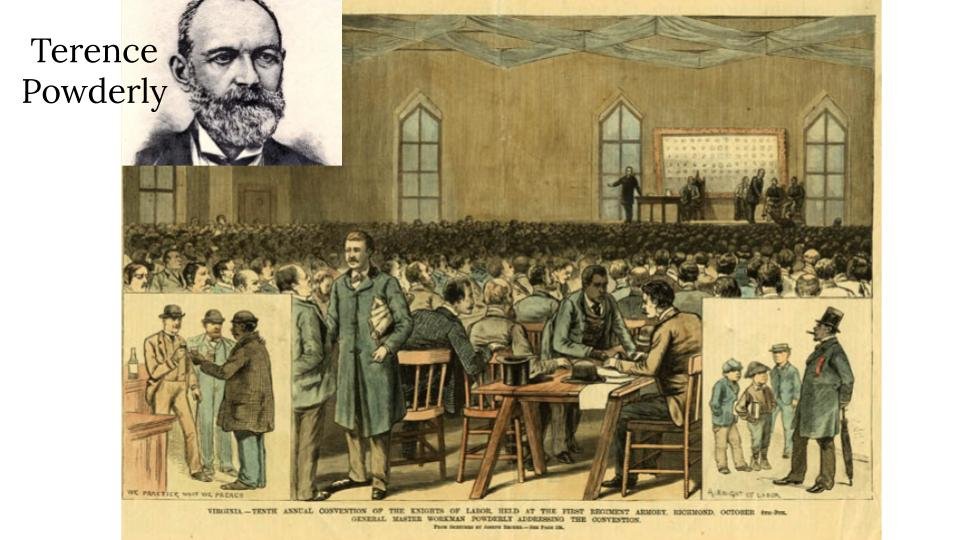
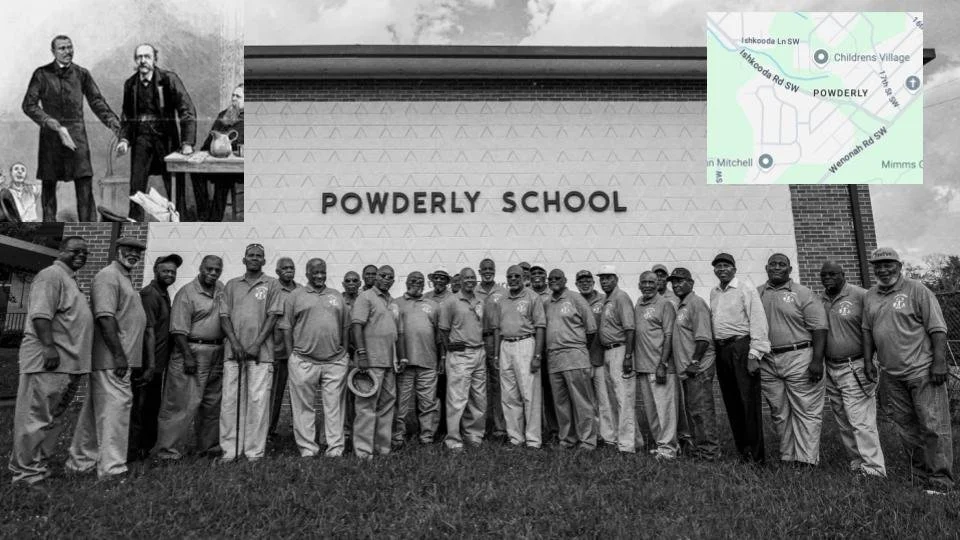
The Powderly neighborhood, located in Birmingham's Southwest community, was first developed in 1887 by the Beneficial Land and Improvement Company. This company, notably headed by members of the Knights of Labor, established Powderly as a community of low-cost worker's houses, simultaneously developing the nearby Travellick community. Both were named for national Knights' leaders, Terence Powderly and Richard Trevillick, directly linking these Birmingham settlements to the broader labor movement's vision.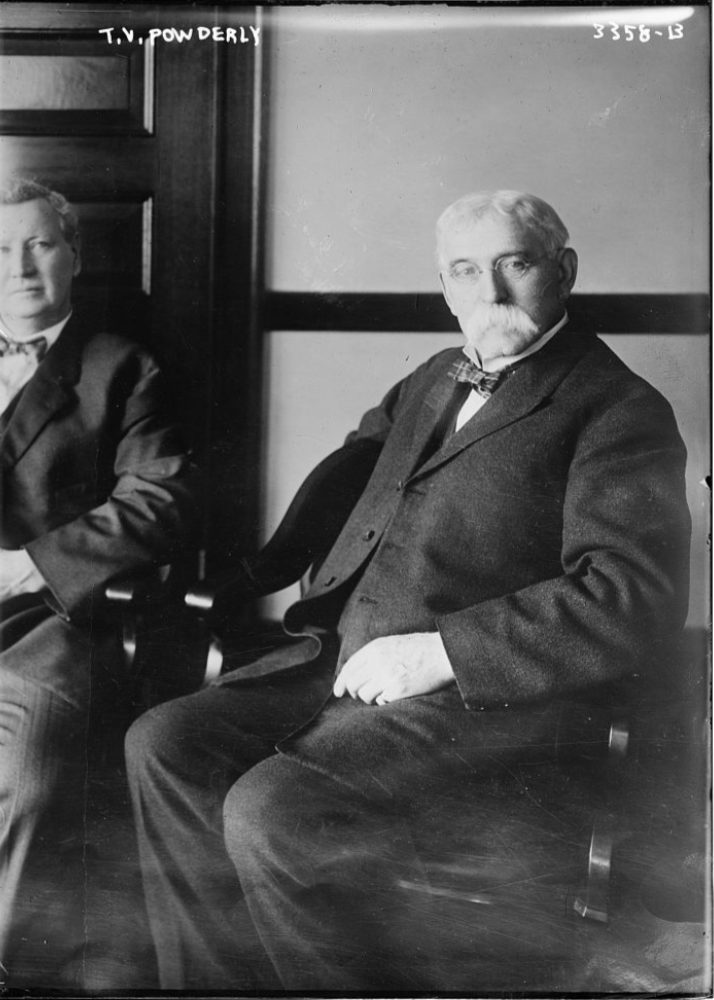
The Legacy of Employee Ownership at acipco
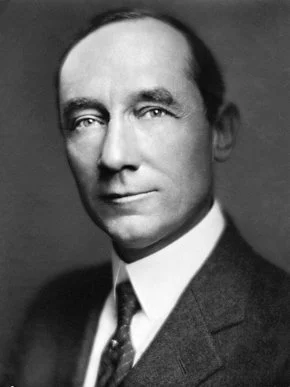
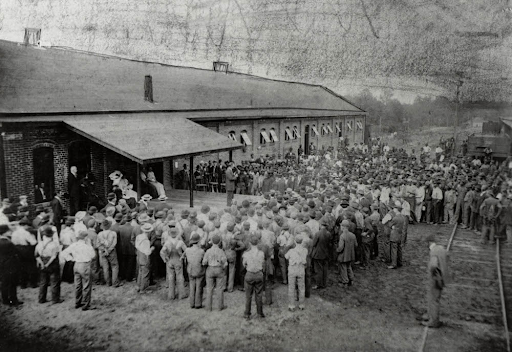
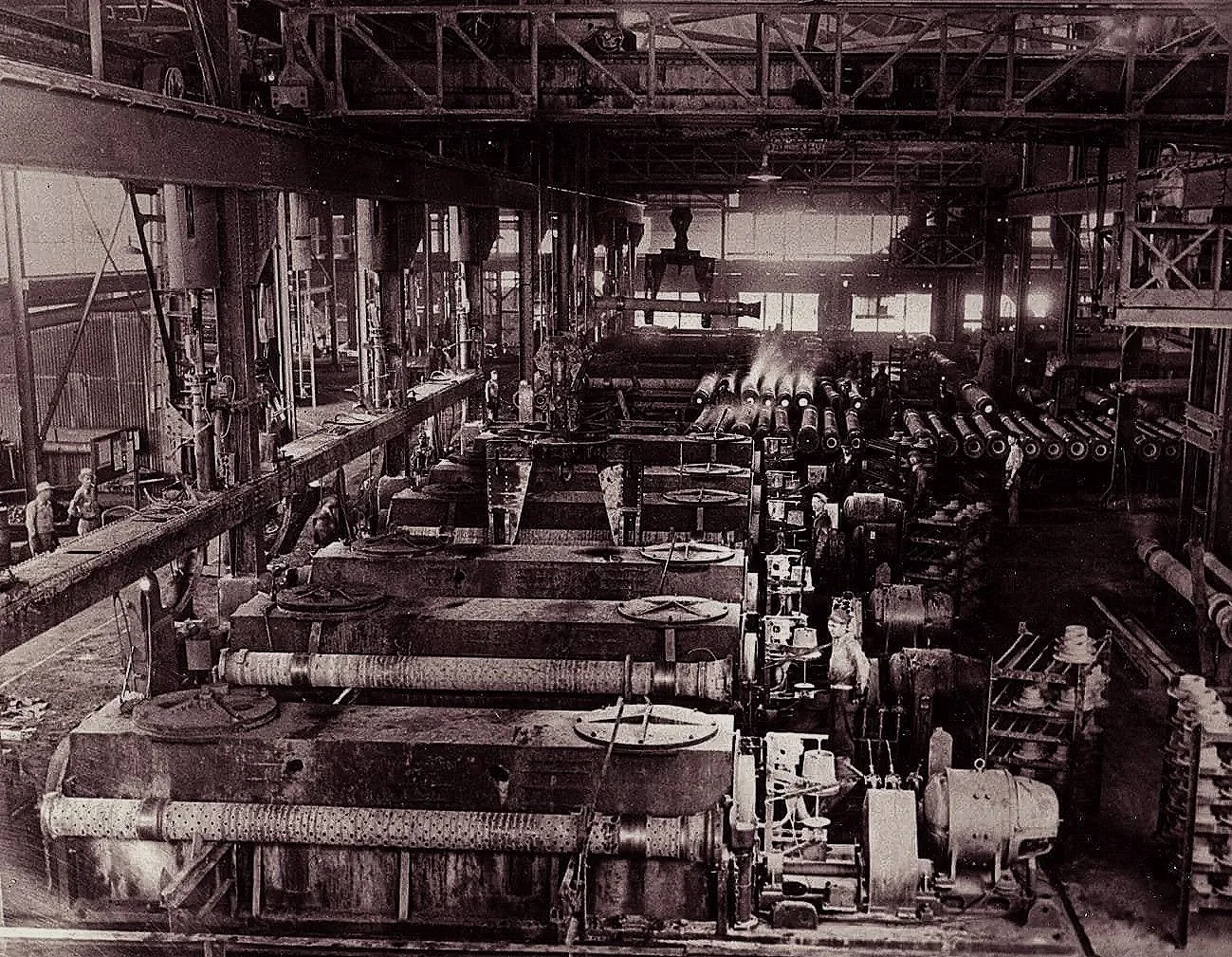
The American Cast Iron Pipe Company (ACIPCO), founded in Birmingham, Alabama, in 1905 by John J. Eagan, showcases a remarkable business philosophy. Eagan, a man of deep Christian faith, built his company on the Golden Rule: treating others as one would wish to be treated. This was more than a slogan; it formed the company's foundation. Having inherited wealth, Eagan saw his business not just for profit, but as a way to "glorify God" by improving employees' lives. He ensured fair wages, kept shifts to nine hours or less, and provided overtime and sick leave. His commitment extended to worker safety and building affordable housing, schools, churches, a medical clinic, a library, and an employee-run store for his workforce. This comprehensive approach to employee well-being set the stage for an extraordinary industrial experiment. Eagan's progressive vision evolved from corporate welfare to direct employee involvement, marking a key shift in industrial practice. Early efforts included a bathhouse at the plant in 1912, followed by bringing workers into management in 1921 and establishing profit-sharing in 1922. His most revolutionary act came after he bought back all common stock, becoming ACIPCO's sole owner by late 1921. In April 1923, he added a codicil to his will, placing all company stock in a permanent trust for its employees. Upon his death in March 1924, ACIPCO became employee-owned, with workers electing their own board members. This pioneering model, where a moral principle became a sustainable business strategy, fostered loyalty and productivity, contributing to the company's continuous improvement and world-class facilities for over a century. This unique "beneficial trust" structure became a widely adopted model in American industry, showing how an ethical base could ensure long-term stability and independence, preventing the company's sale or failure after its founder's passing. Today, ACIPCO continues this legacy through an Employee Stock Ownership Plan (ESOP), making employees 100% owners at no cost for this significant retirement benefit.